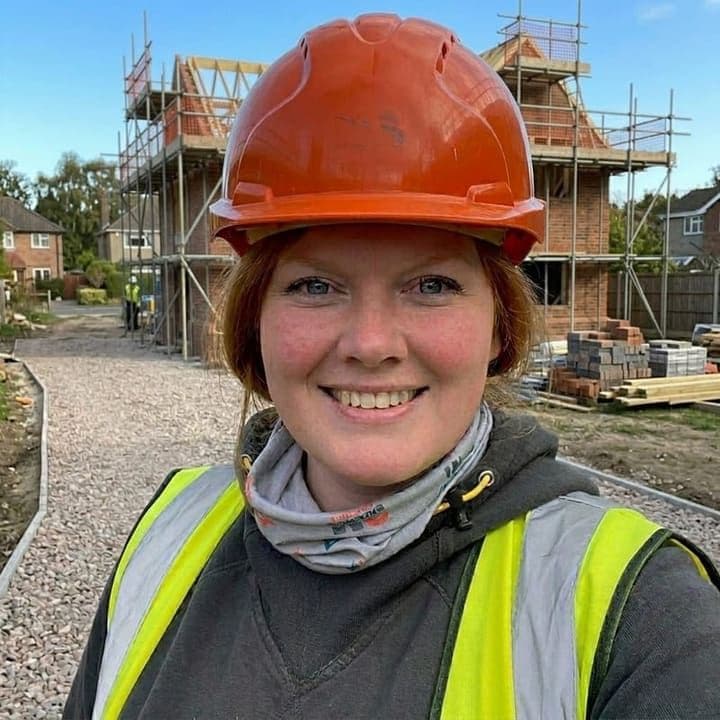
Key points to cover
- Always plan work at height — avoid it where reasonably practicable
- Use the right access equipment for the job (scaffold, MEWP, podium steps — not an improvised platform)
- Ensure edge protection is in place before work begins: guard rails, toe boards, and brick guards
- Ladders are only for short-duration, low-risk tasks — use a scaffold, tower or MEWP for longer or heavier work
- Fragile surfaces (rooflights, asbestos cement sheets) must be clearly signed and protected
- Keep platforms and walkways clear of materials and debris
- Never throw tools or materials from height — use a materials hoist or bucket line
Do's and don'ts
Do
- Check scaffold has a valid inspection tag before use
- Wear a harness when instructed and clip on at all times
- Secure tools with lanyards to prevent dropped objects
- Use three points of contact when climbing ladders
- Report any changes in condition of the work platform
Don't
- Never remove guard rails or toe boards without authorisation
- Never work on a scaffold that has not been inspected
- Never lean a ladder against a fragile surface
- Never work at height in high winds, heavy rain, or icy conditions without a specific risk assessment
- Never stand on the top three rungs of a ladder
Questions to check understanding
Q1: What are the three steps of the working at height hierarchy?
Show the answer
1) Avoid work at height if possible. 2) Prevent falls using guard rails, scaffolding, or MEWPs. 3) Minimise the distance and consequences of a fall using nets, airbags, or harnesses.
Q2: When is it acceptable to use a ladder as a working platform?
Show the answer
Only for short-duration, low-risk tasks where a more suitable means of access is not reasonably practicable. The task should be light duty and take no more than about 30 minutes in one position.
Q3: What should you check before stepping onto a scaffold?
Show the answer
Check for a valid inspection tag (within 7 days or after adverse weather), that all guard rails and toe boards are in place, the platform is fully boarded with no gaps, and the scaffold is not overloaded.
Q4: What is a fragile surface and how should it be protected?
Show the answer
A fragile surface is one that would not support the weight of a person, e.g. rooflights, liner panels, or asbestos cement sheets. They must be protected by secure covers or guard rails, with warning signs. Never walk on or near them without protection.
This is general guidance for UK construction sites. Check it against your own risk assessment, method statement and the site before you deliver it.